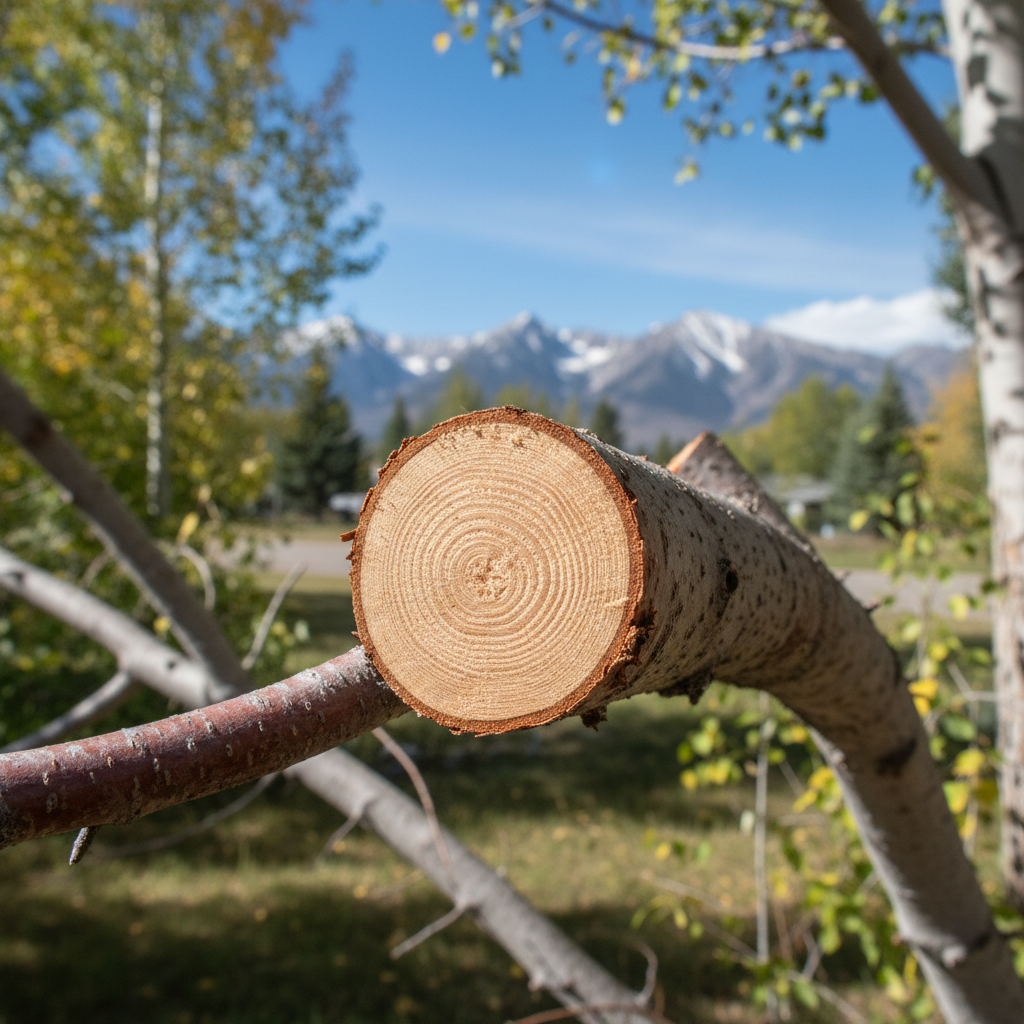
Alright, let's talk about pruning your trees. I see a lot of folks in Bozeman, especially up in places like the Valley West neighborhood, who want to take care of their property themselves. That's great! But with trees, there's a fine line between helping them thrive and actually hurting them. So, here's my take on what you can realistically handle and when you should absolutely pick up the phone for a pro.
Before You Even Think About Cutting
First off, timing is huge. For most deciduous trees (the ones that lose their leaves), the best time to prune is late winter or early spring, before the leaves bud out. The tree is dormant then, so it's less stressful for it, and you can clearly see the tree's structure without all the foliage in the way. For evergreens, you generally want to prune them when they're dormant too, usually late fall or early spring. If you prune too late in the season, especially in the fall, you risk stimulating new growth that won't have time to harden off before our Bozeman winter hits, and that new growth will just die back.
Next, know your tools. You don't need a chainsaw for everything. For small branches, a good pair of hand pruners or loppers is all you need. Make sure they're sharp and clean. Dull tools tear the wood, which makes it harder for the tree to heal and opens it up to disease. If you're going after anything thicker than your thumb, you're probably looking at loppers. Anything over an inch or two in diameter, you'll want a pruning saw. Don't use a regular handsaw; pruning saws are designed to cut on the pull stroke, which makes them much more efficient and safer for you and the tree.
What You Can (and Should) Do Yourself
There are definitely some pruning tasks that are perfect for the average homeowner. This is what I call 'maintenance pruning' or 'cleanup pruning'.
- Dead or Dying Branches: This is probably the most common and important thing you can do. If you see a branch that's clearly dead – no leaves, brittle, or discolored – get rid of it. It's a hazard and a potential entry point for pests and diseases. Just make sure you're cutting back to live wood, not leaving a stub.
- Crossing or Rubbing Branches: Look for branches that are growing into each other or rubbing. When they rub, they create wounds, and those wounds are trouble. Pick the weaker or less ideally placed branch and remove it.
- Suckers and Water Sprouts: Suckers are those fast-growing shoots that come up from the base of the tree or from the roots. Water sprouts are similar but grow vertically from branches. They're usually weak, don't produce much fruit or flowers, and just suck energy from the main tree. Prune these off as close to their origin as possible.
- Low-Hanging Branches: If a branch is blocking your sidewalk, hitting your house, or just getting in the way of your lawnmower, go ahead and trim it back. Just be mindful of how much you're taking off at once.
When you make a cut, always aim for the branch collar – that slightly swollen area where the branch meets the trunk or a larger branch. Don't cut flush with the trunk, and don't leave a long stub. A proper cut allows the tree to seal the wound effectively.
When It's Time to Call Tree Service Pros of Bozeman
Okay, so you've done the easy stuff. Now, here's when you need to step back and call in the cavalry. This isn't just about safety for you, it's about the long-term health of your tree.
- Anything Requiring a Ladder: If you need to get on a ladder to reach a branch, it's too high for you to prune safely. Period. Falls from ladders are no joke, and trying to handle a saw while balancing up there is asking for trouble.
- Large Branches: Any branch that's bigger than, say, 3-4 inches in diameter is a job for a professional. These require specific cutting techniques (the three-cut method) to prevent bark tearing, and they're heavy. You don't want a heavy branch falling on you, your house, or your fence.
- Proximity to Power Lines: This is a huge one. If any part of the tree is near power lines, do NOT touch it. Call the power company first, then call us. Electricity and trees don't mix, and it's extremely dangerous.
- Structural Pruning or Major Reshaping: If your tree looks lopsided, has a double leader, or you're trying to improve its overall structure, that takes a trained eye. You can easily do more harm than good by removing the wrong branches. We understand tree growth patterns and can make cuts that encourage healthy development, especially important for younger trees.
- Diseased or Infested Trees: If you suspect your tree has a disease or a serious pest infestation, call us. We can diagnose the problem and recommend the best course of action, which might include specific pruning techniques to remove infected parts without spreading the issue.
- Storm Damage: After a big snowstorm or a windy day, you might have broken branches hanging precariously. These are called 'widowmakers' for a reason. Don't try to remove them yourself. They're unstable and incredibly dangerous.
Look, I get it. You want to save a few bucks. But for anything beyond basic cleanup, you're risking your safety and the health of your tree. We've got the right equipment, the training, and the insurance to do the job safely and correctly. A well-pruned tree is a healthy tree, and a healthy tree adds value and beauty to your property for years to come. Don't hesitate to give Tree Service Pros of Bozeman a call if you're unsure.